Leave a Comment

Leave a Reply

Comments are moderated for civility and relevance.

Your email address will not be published. Required fields are marked *

This site uses Akismet to reduce spam. Learn how your comment data is processed.

KM-Small-Banner-1
Kosher Salt Tastes Better Than Table Salt
cropped-falsestamp-1

Many cooks and recipes specify that kosher salt be used. Why? Truth be told, because it's trendy, mostly. Kosher salt is relatively pure sodium chloride, and so is the table salt that is available in every supermarket at half or less the price. If you don't want to consumer the iodine in iodized salt, buy the uniodized version of table salt and save some money.

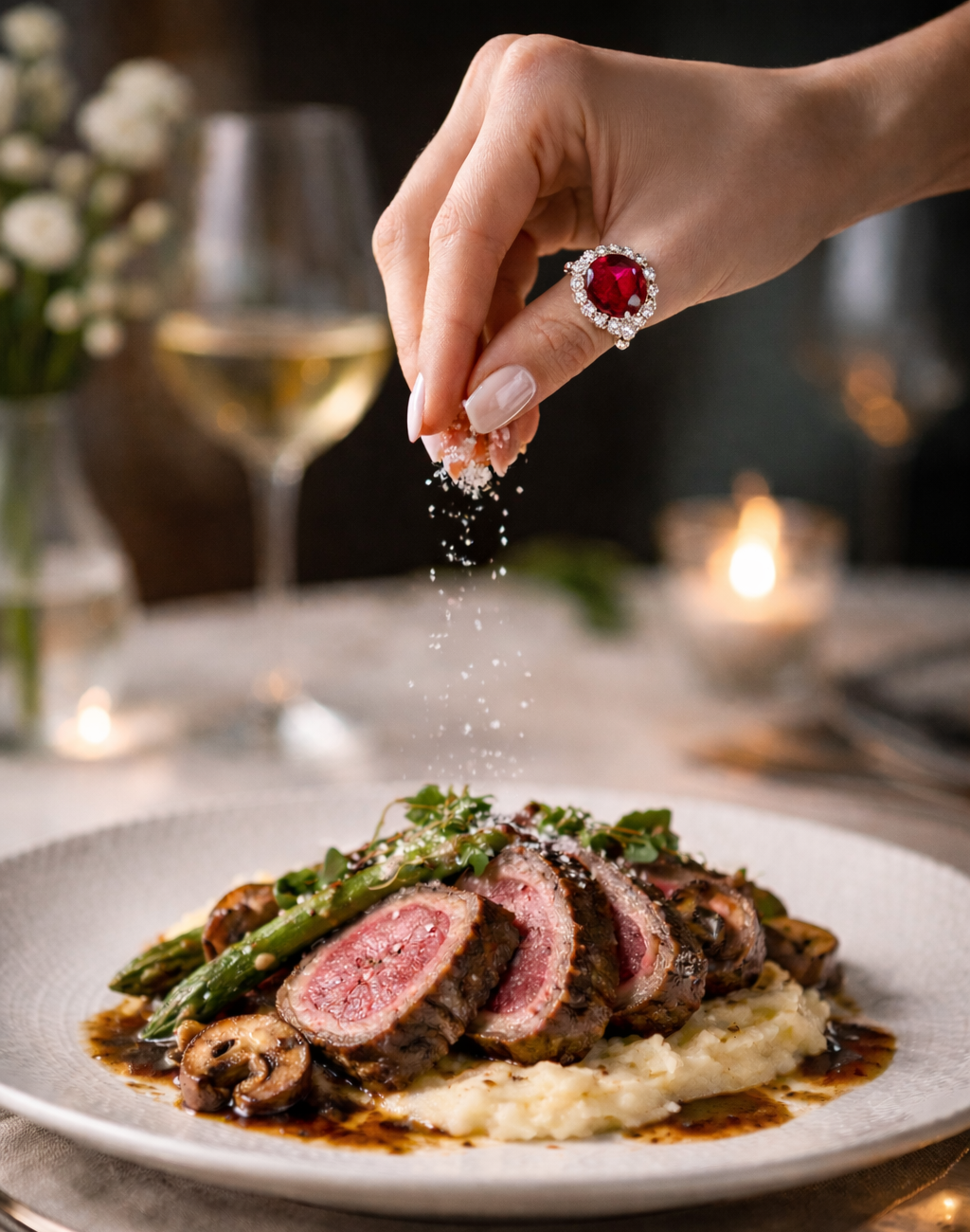
I do like the larger grains of kosher salt because when cooking I prefer to grab salt with my fingers to add to a dish, rather than using a shaker, and the larger grains don't stick to my fingers as much. But, I am not fooling myself that my food tastes better as a result.

By the way, kosher salt is really misnamed. It is not "kosher" in the sense that it's OK for observant Jews to eat it. It is not blessed or treated in any special way. It's true name is "koshering salt" because it is traditionally used to salt meats as part of the kosher butchering process.

Salt_Sprinkle
Salts-3

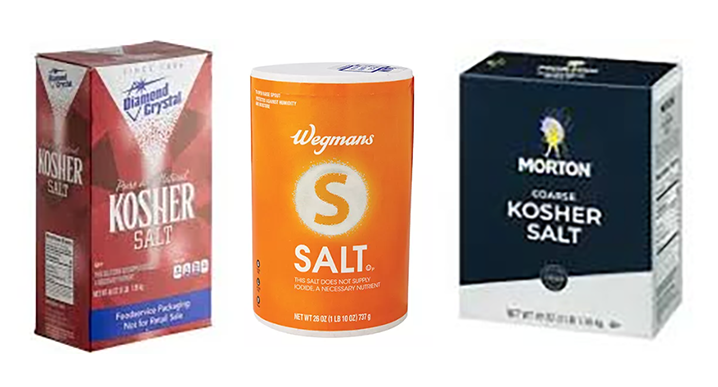
Be aware that kosher salt measures differently than table salt. Because the grains are larger, a given volume of kosher salt will contain less salt by weight than table salt with its small grains. And the two kosher salts commonly available, Morton and Diamond Crystal, differ from each other. Rule of thumb, when a recipe calls for one teaspoon of table (fine) salt, use 1-1/2 teaspoons of Morton Kosher and 2 teaspoons of Diamond Crystal.

Fluorish-2

Don't Miss Any Posts!

We don’t spam! Unsubscribe at any time.

Home

Leave a Reply

Comments are moderated for civility and relevance.

Your email address will not be published. Required fields are marked *

This site uses Akismet to reduce spam. Learn how your comment data is processed.