Ultra-processed foods have been in the news a lot lately, always in a negative way. There is indeed a lot of evidence that these foods are detrimental to our health. But the fact is, simply being labeled “ultra-processed" does not automatically mean that a food is unhealthful.
What Does Ultra-processed Mean?
The term ultra-processed is defined in the NOVA system. This system was defined by researchers to classify foods into four categories ranging from 1 (unprocessed) to 4 (ultra-processed). The definition of group 4 foods does sound sort of scary: "Industrial formulations made mostly from food-derived substances and additives, with little if any intact whole food." Examples include soft drinks, packaged snacks, candy, instant noodles, many boxed breakfast cereals, chicken nuggets, hot dogs, frozen meals, most canned soups. A good part of the supermarket, in other words!
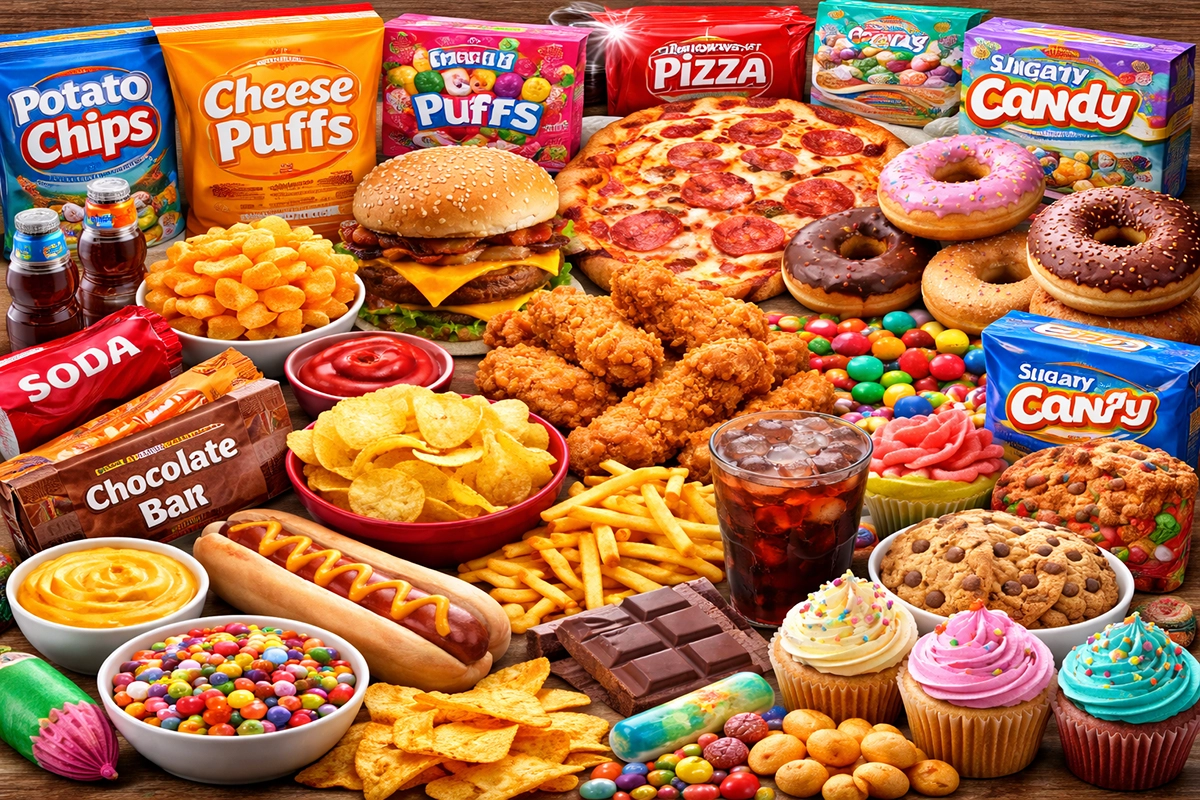
Ultra-processed Food Can be Healthful
The upshot is that the definition of Group 4 lumps a lot of perfectly healthful foods in with the huge array of truly unhealthful. Sure, we want to avoid soft drinks, nacho chips, and frozen pizza. But do we really want to avoid things like whole grain bread, hummus, or yogurt just because they are made in a factory and contain a few non-natural ingredients? These are all things that can be part of a perfectly healthful diet. And while it might be ideal to make your own homemade, that's not an option for most people. Try telling a nurse coming off a double shift at midnight that she should chop vegetables and cook quinoa from scratch and see where you get!
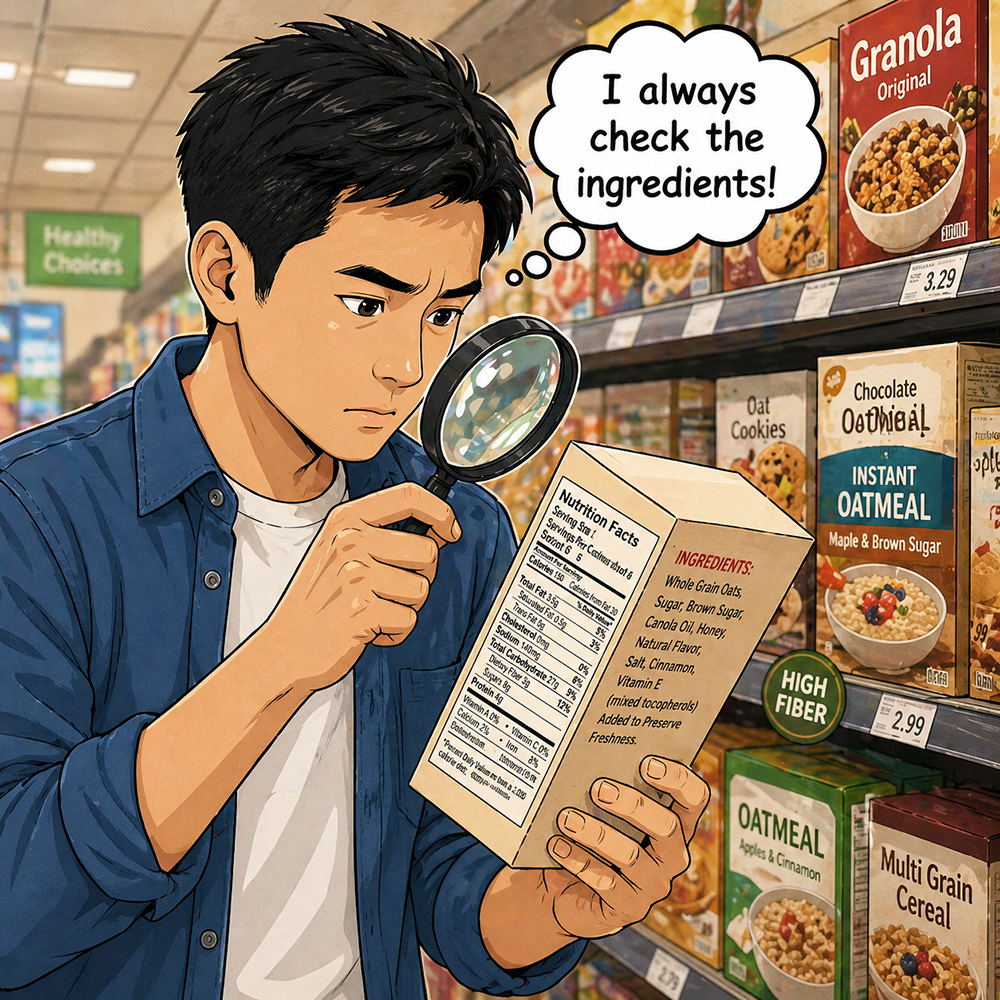
Read the Ingredients!
Of course, we should aim to consume mostly un- or minimally processed foods, such as oily fish, whole grains, nuts, fruit, and vegetables. But given that avoiding ultra-processed foods altogether is not an option for most people, what is one to do? It requires educating yourself a little bit about what to look for in the ingredients list and nutrition label. Here is a quick ingredients checklist to help you avoid the worst ultra-processed foods.
- Long ingredient list with lots of unfamiliar additives, emulsifiers, flavors, colors, or preservatives
- Ingredients you would not normally use in a home kitchen
- Added sugar near the top of the ingredient list, or several forms of sugar spread across the list
- “0 g trans fat” but the ingredients include partially hydrogenated oil
- Very high sodium, saturated fat, or added sugars per serving
- Polished marketing claims on the package that distract from a poor ingredients list
Summing Up
To eat a healthful diet, there is no need to blindly banish all ultra-processed food from your pantry and fridge. By carefully reading the ingredients list you can have some convenience while not endangering your health.
Myths About Some Supposedly Unhealthy Foods
Gluten is 100% fine for almost all people.
HFCS has gotten a bad rap and is not itself bad for your health.
The claim that seed oils are unhealthful is totally false.