What is Whole Milk?
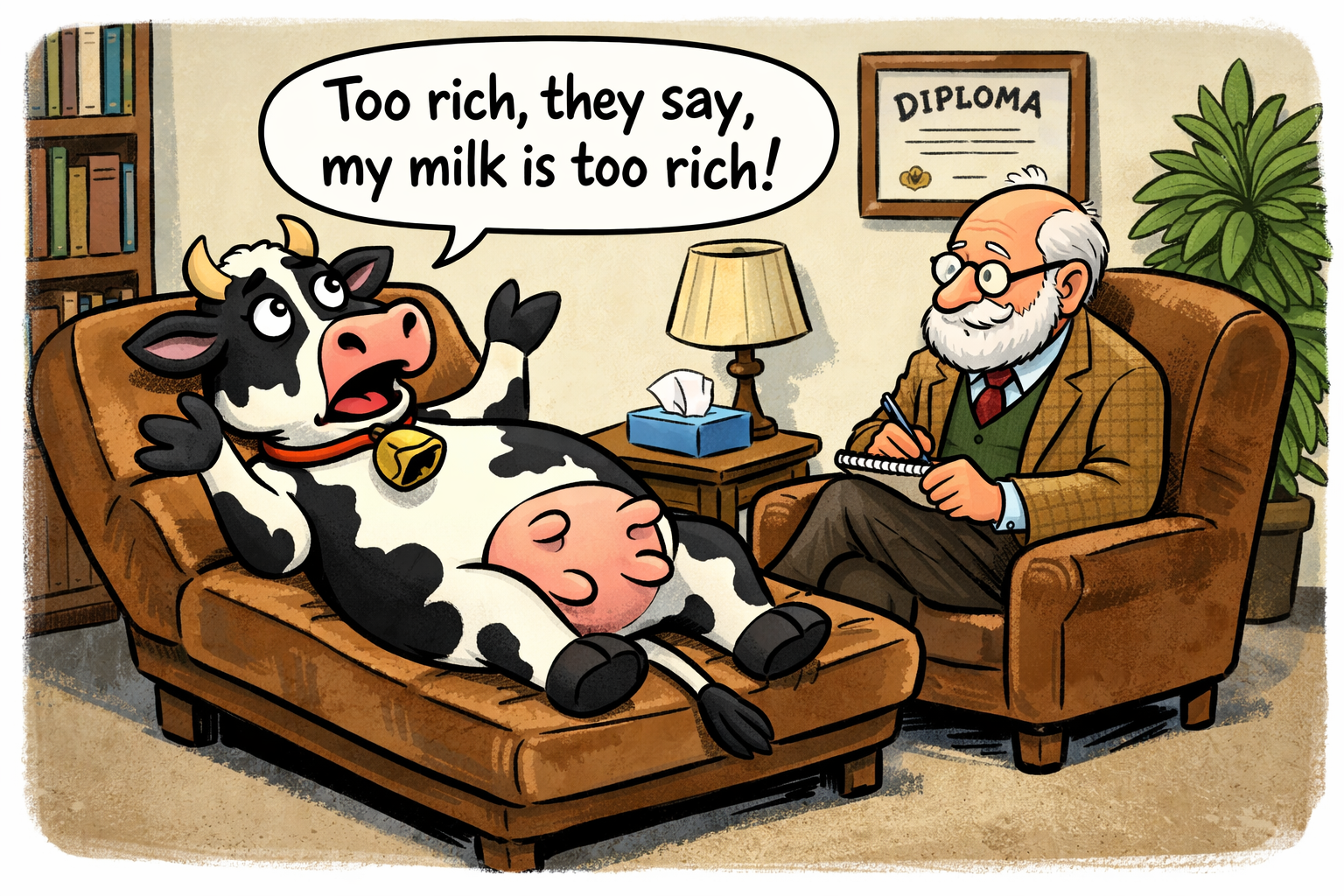
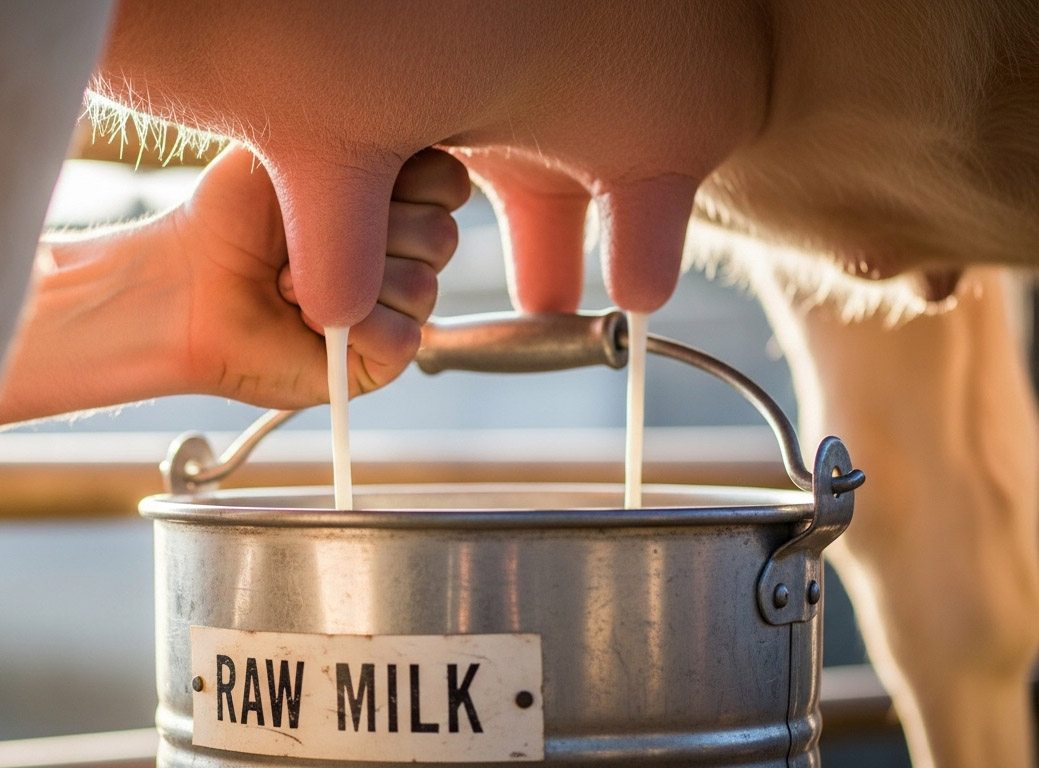
Whole milk is defined by regulation to have 3.25% butterfat (3.5% in some places), and that's because dairy cows used to give milk with that amount of butterfat. And for years, whole milk was indeed just what came from the cow. But dairy farmers have been breeding their cows to give milk with more butterfat, as much as 4.5% total. So to reach the 3.25% standard defined by regulations butterfat must be removed.
This removed butterfat is valuable, being used in cheese-making, to make butter and ice cream, and of course it is also sold as whipping/heavy cream. The dairy farmers get their 3.25% "whole" milk to sell and also the extra butterfat. None of this changes the nutritional value or safety of whole milk — standardization is tightly regulated and the end product is exactly what the label says. It's just not quite as simple as milk straight from the cow.