Select a category
Recent Tweets
- Myth: Adding a raw potato can reduce saltiness in a soup of sauce wp.me/p1t4Do-aE 3 days ago
- Kitchen Myths, the book - now available wp.me/p1t4Do-6g 3 weeks ago
- White bean puree with garlic wp.me/p1t4Do-6c 6 months ago
- Myth: Acidic marinades make meat tender wp.me/p1t4Do-65 7 months ago
- Myth: Tear basil, rather than cutting it, for best flavor wp.me/p1t4Do-5S 9 months ago


Let me respectfully disagree. ‘Cincinnati chili’ is actually not chili at all in the Texas sense, it developed from a dish popular at Greek restaurants, so it has a different origin completely. I don’t even consider it part of the ‘chili’ family. And I do like it. If you really wanted to taste horrid chili you should have been around in the 70′s to eat my mother’s concoctions, which resembled neither type and included both beans and overcooked spaghetti.
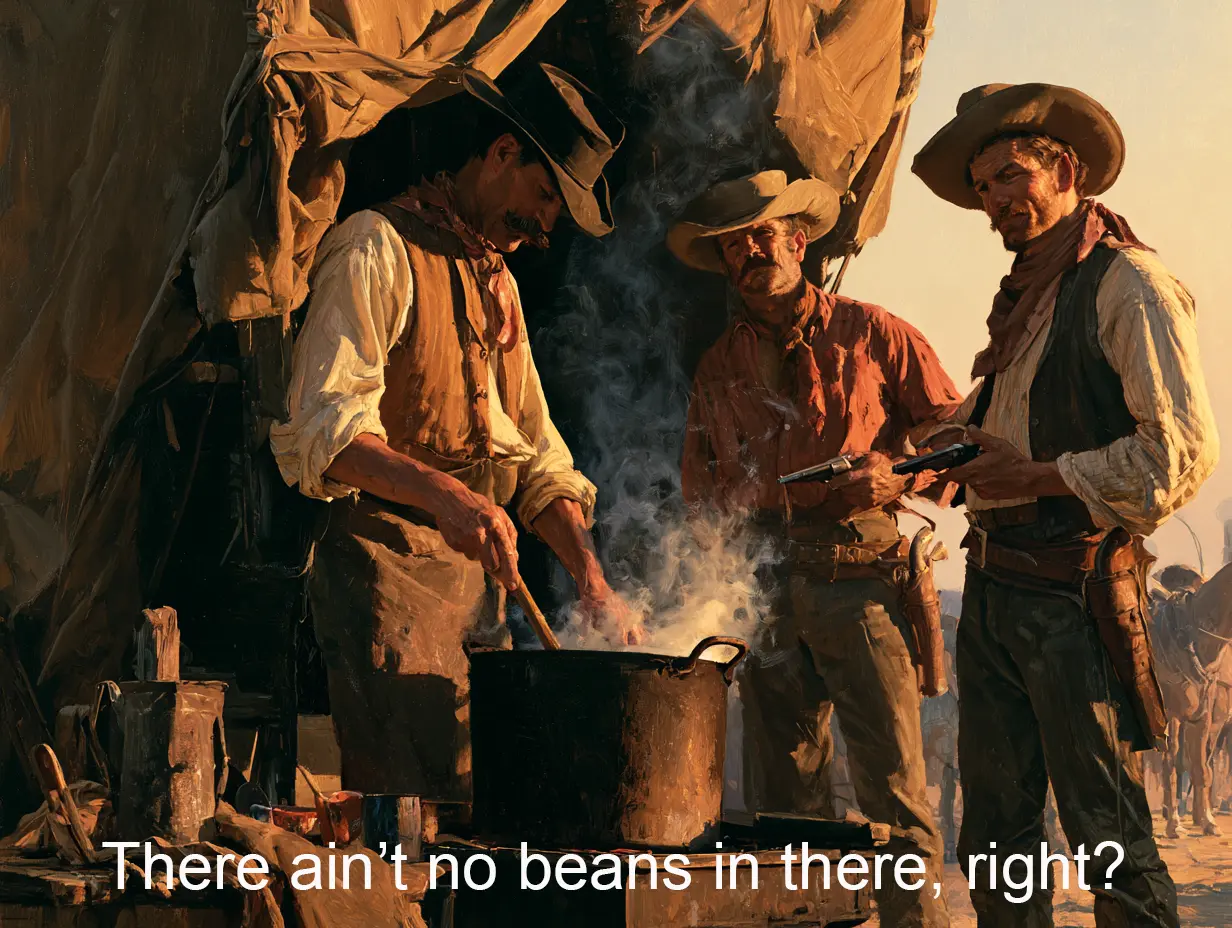
This myth has a lot to do with demographics and ethnic tensions in Texas and the South in general. Chili has been a staple of Mexican, Tex-Mex, and American cuisine from decades to centuries. At its most basic, it’s chiles, water, and meat or beans.
Traditional Mexican dishes and stews typically use meat cooked in chiles with little water, or bean soups. The migration of chili into Tex-Mex cooking created this ‘artificial’ standard of chili as a matter of separating Anglo diners from Mexican or Tejano ones, even though the food was much the same. Up until the middle of the 20th century, beef was still expensive for most Americans, and the generally wealthier Anglos used the presence of meat in dishes to discern Tex-Mex food from Mexican food. Beans were far cheaper (but usually healthier), and were considered the food of African- and Mexican-Americans, unfit for consumption by whites.
When beef cultivation exploded in the 40s and 50s, far more people across different ethnic boundaries could afford to include meat in meals, but they also tended to stick to their traditional recipes. With the growing popularity of Mexican-leaning food in America, white Texans sought to restrict the definition of their food by adopting the “no beans” standard, and used it to preserve the social restrictions they had enjoyed previously.
The standard of “real” chili is primarily a localized ethnic one, rather than a general rule about food. I grew up in the North and had never had chili *without* beans before coming to Texas; it’s just a matter of culture.
I’m from Texas and I’ve always had chili with beans, so go figure. I’ve seen chili without beans, but have always thought that was kinda strange…
Greetings from San Antonio! I have never heard of this Myth. All of my chili recipes include beans, and I have never had chili in Texas without tomatoes or beans! Now I’m somewhat interested in varying one of my recipes to see what happens! Yummmmmmm chili!
Does this go all the way back to mole?
The whole beans and chili thing is quite simple and I think everyone is missing the point. It’s called chili because of the dried and powdered chilies that give the dish its distinctive color and its name. This is afer all a dish made for poor peoples. It’s spicy and flavorful to hide the fact the chili meat is older poorer cuts from an animal that may have been slaughtered several days ago and has begun to turn sour. Chili con carnie is quite simply chili with meat and little else. “Borrachos” or borracho beans are likewise powdered chili with some meat and beans. So put yourself in the wilds of Texas some 200 years ago. What’s for dinner? All we have is some old meat that is going bad, some dried spices to hide the taste and some dried beans. They might all go into the pot together with some flour to thicken the grease or the beans might be made on the side. Either way it’s not worth arguing over. As for tomatoes, can you imagine those poor starving farmers stewing a tomato? Fresh tomatoes would have been a treat and eaten fresh like apples.