Most people don't know that what is labeled "cinnamon" in the grocery store can be from two entirely different plants which have very different flavor profiles. And one of them has the potential to be toxic—a very small potential, but still real.
What's the Difference?
Ceylon cinnamon, sometimes called true cinnamon, comes from the bark of Cinnamomum verum. The name is because the tree is native to Sri Lanka, which was called Ceylon during colonial times. These days it is cultivated there and elsewhere. Cassia cinnamon is derived from the bark of Cinnamonum cassia, which is native to China and Southeast Asia.
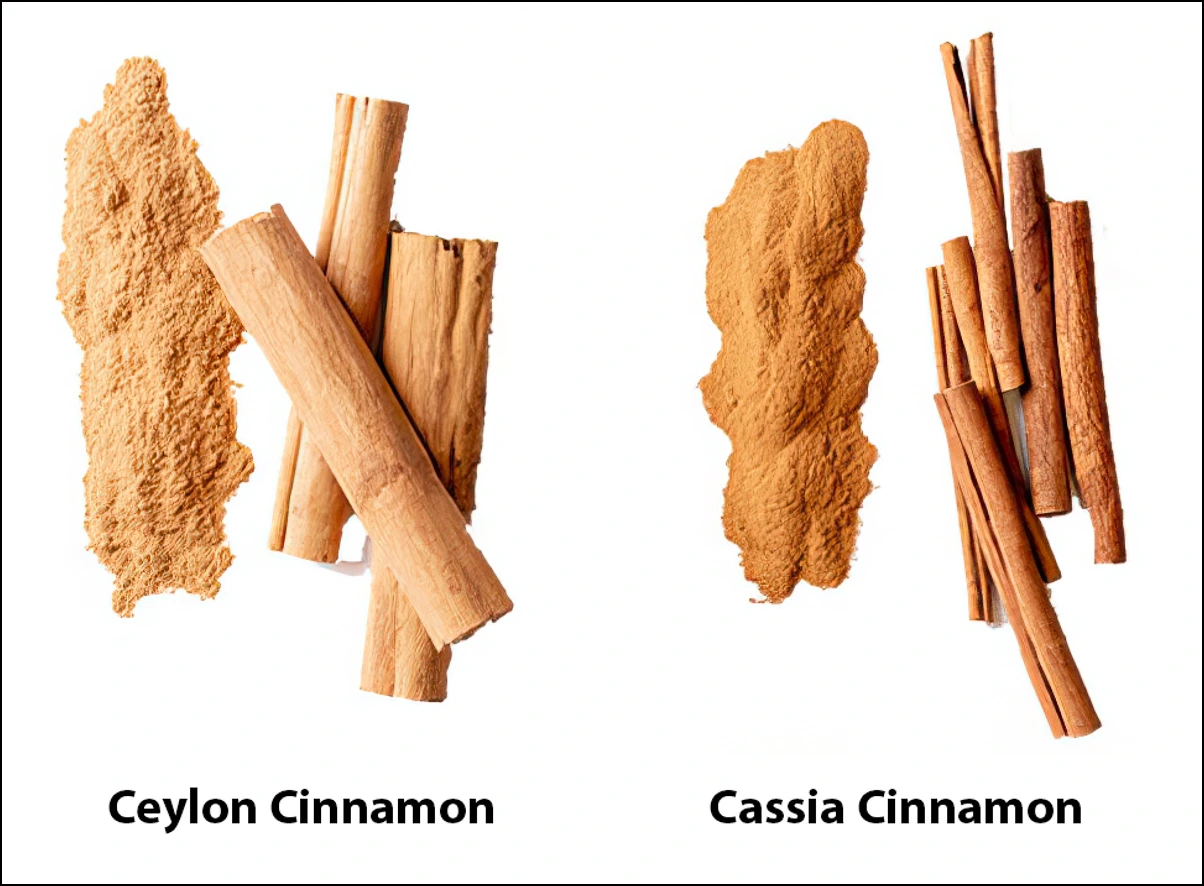
From a culinary perspective, Ceylon cinnamon has a more delicate and "sweet" flavor, sometimes described as being citrusy with floral notes. It is preferred for desserts, teas, and subtle dishes. In contrast, cassia cinnamon is bold, spicy, and slightly bitter. It is considered more appropriate for savory dishes, baked goods, and spice blends such as garam masala. Cassia cinnamon has a reddish hue and the quills (sticks) comprise a single layer and are hard to break. Ceylon cinnamon is more a light brown and the quills have multiple layers and are easy to break. It must be noted that both are perfectly acceptable for a lot of typical culinary uses. But the discriminating cook might feel differently.

Is Cinnamon Really Toxic?
Now what about this "toxic" business? Cinnamon contains coumarin, an organic compound that can be toxic to the liver and cause other health problems. True (Ceylon) cinnamon has very small and perfectly safe amounts, but Cassia cinnamon has significantly higher levels, as much as 250 times as much! As little as one teaspoon of cassia cinnamon can exceed the recommended maximum daily dose. People with liver disease should be mindful, particularly if cinnamon is being used as a daily supplement and not as a cooking ingredient.
Note that the coumarin found in cinnamon is, despite the similarity in names, totally different from the drug coumadin (also called Warfarin) that is administered medically as an anticoagulant or blood thinner.
Telling Ceylon and Cassia Cinnamon Apart
If you are buying whole cinnamon quills the Ceylon and Cassia are easily distinguished based on the description and image above. Powdered cinnamon is almost always cassia cinnamon and you can assume that's what you're getting unless the package specifically says Ceylon or true cinnamon. What about Saigon or Vietnamese cinnamon? It is just cassia cinnamon under another name, and the same concerns about coumarin apply.
You Might Enjoy These Myths Related to Spices and Seasonings
Whole spices do last longer than ground, but not forever.
No, kosher salt does not make food taste better!
Advice to tear rather than cut fresh basil is all wet.
Your peppercorns may not come from where you expect!