Foods made from genetically modified organisms (GMO) have been conclusively shown to be perfectly safe for human consumption. Early concerns about possible health dangers have proven unfounded.
What are Genetically Modified Foods?
Genetically modified (GM) food is made from crops, such as soybeans and corn, whose genome (DNA) has been modified using biotechnology to provide some advantage, such as improved nutrition, resistance to pests, improved yield, herbicide resistance, or reduced water needs. When GMO food crops were first introduced in 1996, there was perfectly understandable concern that there might be some health consequences from eating foods made with GMO ingredients. For example, some critics speculated that introducing new genes into plants could create new allergens or carcinogens. These and other health concerns have been thoroughly studied and dismissed.
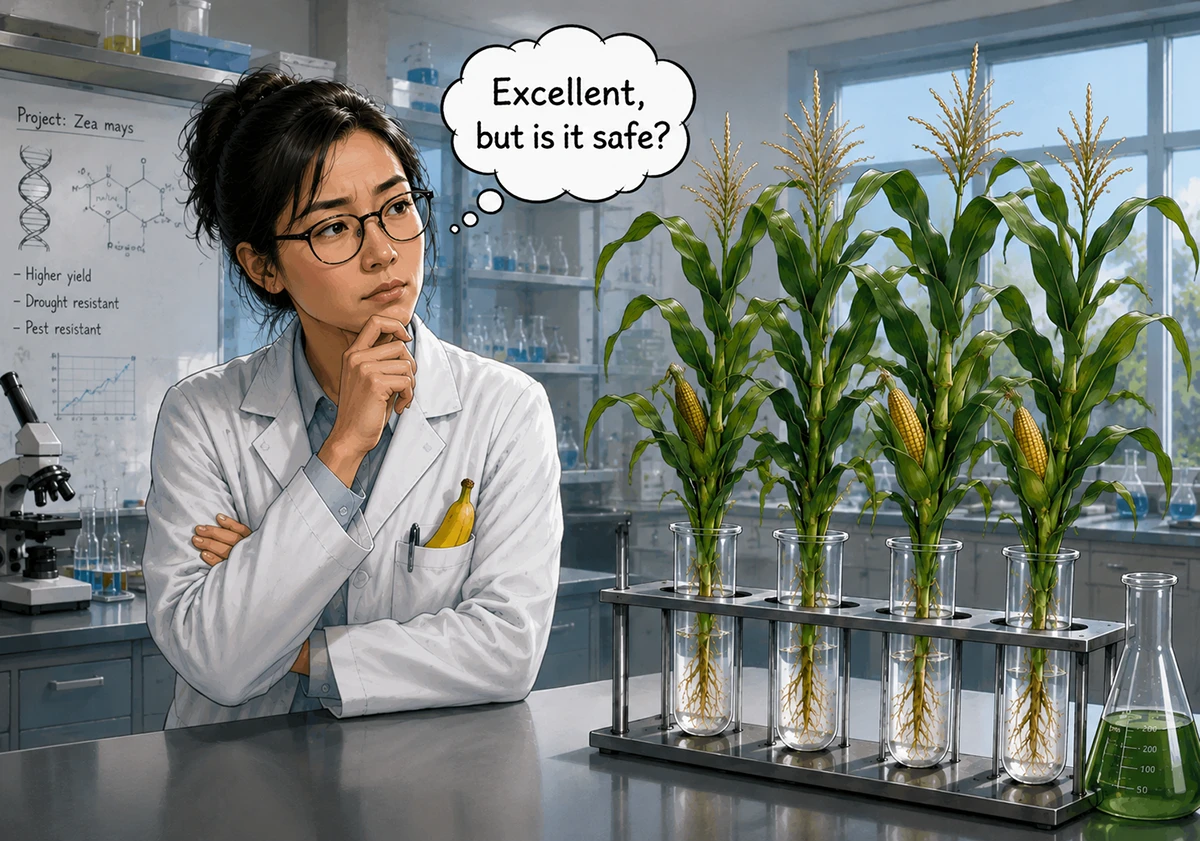
Safety Evaluation of GMO Crops
Before approval, GMO crops undergo rigorous testing to evaluate their nutritional content, toxicity, and potential allergenicity. In many cases, GMO products are subjected to more extensive safety assessments than traditionally bred crops. Furthermore, hundreds of millions of people have eaten an untold number of meals containing GMO ingredients, and there have been no, zero, documented cases of anyone's health suffering as a result.
As a result, the scientific consensus is that approved GMO foods do not pose greater health risks than conventional foods. Dozens of scientific organizations have declared GMO food to be as safe as any other food - these organizations include the French Academy of Sciences, the World Health Organization, the European Commission, the Royal Society, and the U.S. National Academy of Sciences.
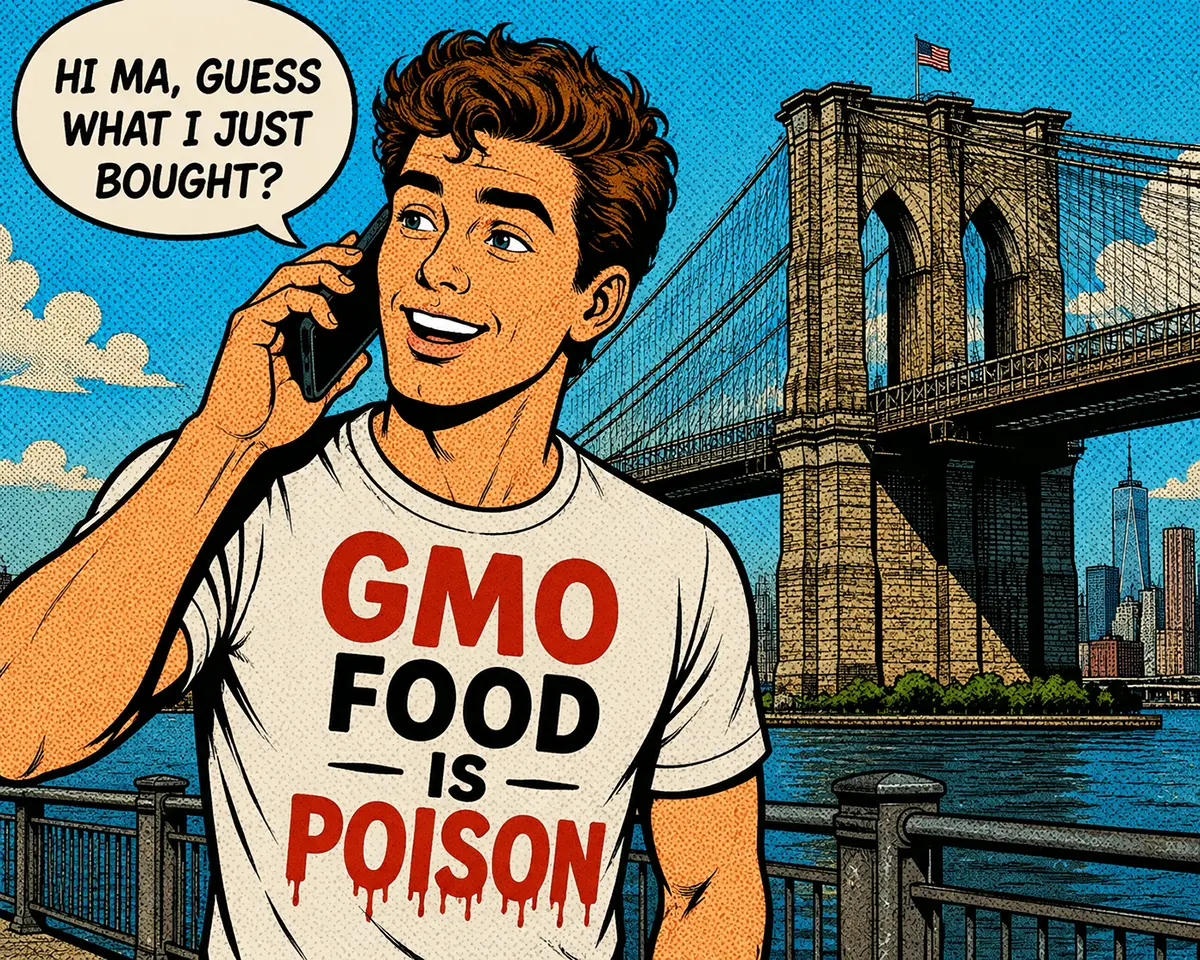
Why Does Fear of GM Foods Persist?
Yet despite all the evidence, opposition to GM foods on purported health grounds remains widespread. It's hard to figure out why, other than the all-too-common human propensity to ignore facts and believe what feels good (or what fits in with their conspiracy theories, such as the claim that the scientific societies are in the pay of Monsanto). The opposition is also fueled by charismatic hucksters such as Vandana Shiva who travel around spreading lies and distortions about GM food and making up "facts" as it suits them. Unfortunately, there seems no end of gullible people ready to believe nonsensical claims such as GM foods cause autism, Alzheimer's disease, suicide of farmers, cancer, allergies, and so on. There is no evidence for any of these claims.
GMO Crops Have Many Benefits
Insect resistant GM crops (Bt traits) have greatly reduced the use of synthetic pesticides, reducing the exposure of workers and the environment to these chemicals. Herbicide resistant GM crops have greatly reduced the need for tillage, saving a lot of fuel and improving the soil quality. Reductions in tillage and pesticide application have greatly reduced fuel usage, lessening the impact of farming on global warming. Some GM crops are engineered for improved processing or storage characteristics which can decrease post‑harvest losses and food waste along the supply chain. Drought resistant crops and improved yields help to minimize hunger and famine. GM soybean varieties that yield oils with more favorable fatty acid profiles are aligning crops with nutritional guidelines. These are just a few of the documented ways in which GM crops are benefiting people.
Some Other Health-Related Myths for You!
Worried about seed oils? Don't be!
All ultra-processed food is not bad. Really!