Not all vegetables are more nutritious when raw, but some are. Others are healthier when cooked. If you're trying to eat a nutritious diet, it's good to know which is which and the effects of the cooking method.
What Does Cooking Have to do With Nutrients?
This is a complex question, because the effects of cooking on nutrients depend on the specific vegetable and the cooking method being used. In some cases, the heat of cooking degrades nutrients so the cooked vegetable ends up being less nutritious. Or, nutrients are washed away by water. In other cases, the cooking breaks down the cell walls of the vegetables so that more nutrients are released and made available to your body. so the cooked vegetable is actually more nutritious than when raw. Heat, water, and mechanical processing are all factors in this equation. Heat can chemically destroy vitamins, for example, and water can wash them away. Mechanical processing such as chopping, while not directly related to cooking, can release more nutrients. There are even some cases where cooking can reduce some nutrients while increasing others! You can see that it's a complex situation but there are some basic guidelines you can follow.
More Nutritious When Raw
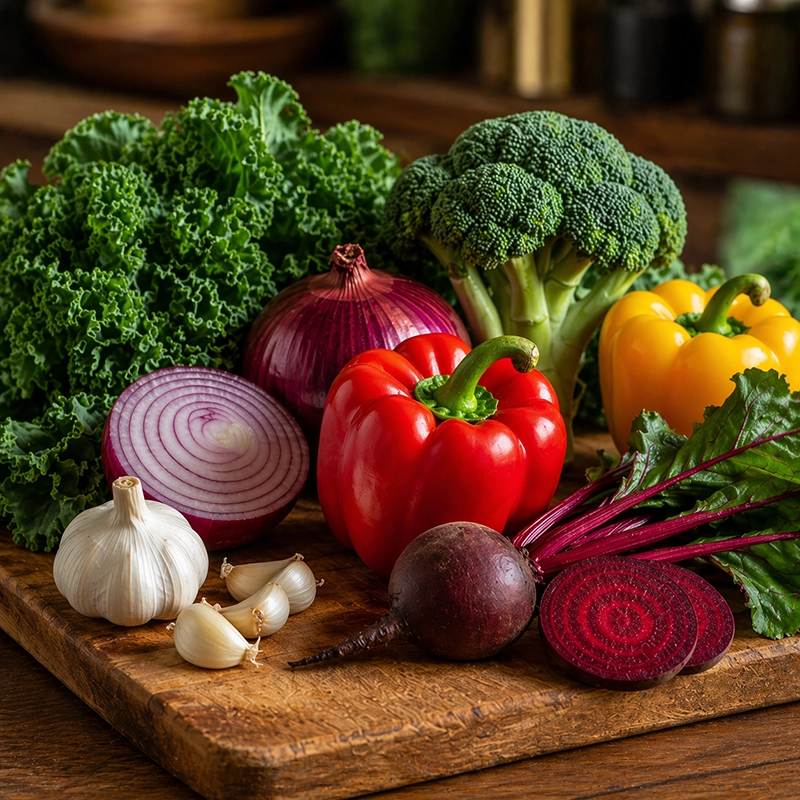
In general, the following vegetables will give you more nutrients when they are raw than when they are cooked.
- Garlic
- Onions
- Beets
- Kale
- Broccoli
- Bell peppers
More Nutritious When Cooked
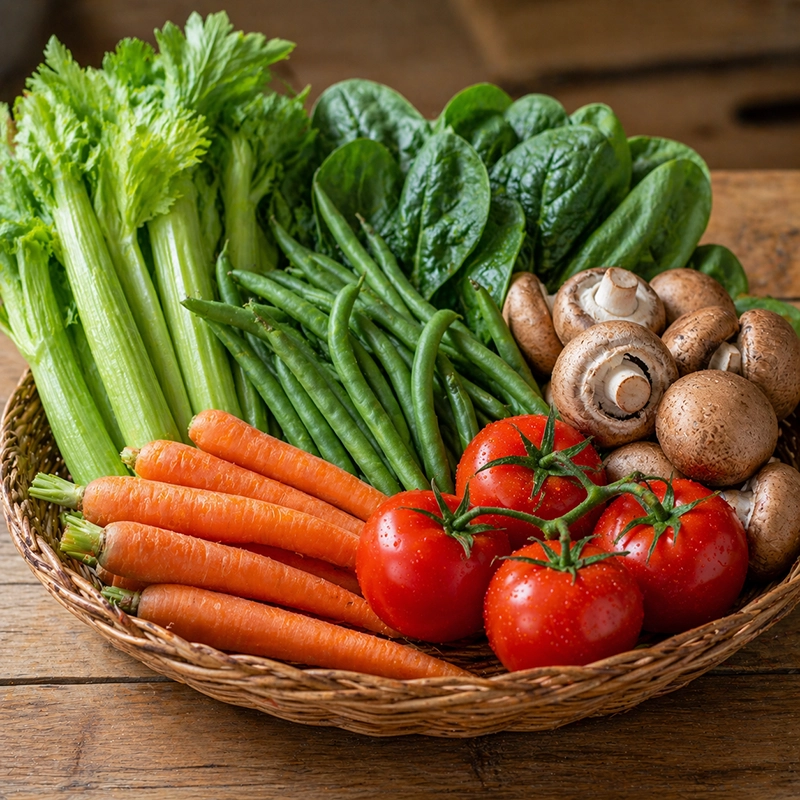
On the other hand, these are some popular vegetables that provide you with more nutrients after being cooked.
- Celery
- Green beans
- Spinach
- Mushrooms
- Carrots
- Tomatoes
Summing Up
Whether vegetables are more nutritious raw or cooked depends on the specific nutrients involved. Raw vegetables often preserve heat-sensitive vitamins, while cooking can unlock and enhance the absorption of other beneficial compounds. A balanced diet that includes both raw and cooked vegetables is therefore the most effective way to maximize nutritional intake.