Not so! Despite claims to the contrary by certain "semantic pedants," the overlapping meanings of these two words goes back hundreds of years.
The False Distinction Between Healthy and Healthful
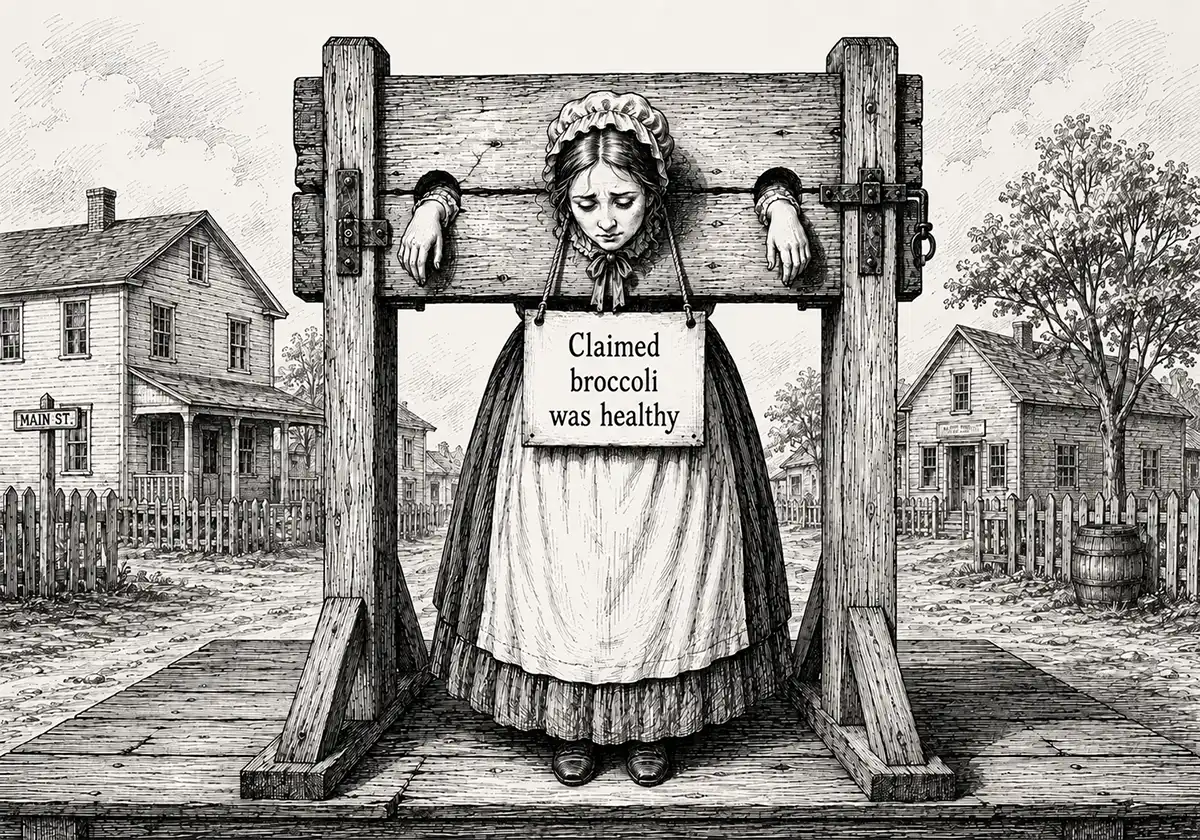
You will hear some people claim that the words healthy and healthful have different meanings. "Healthy," these folks say, means to be in a state of good health and applies to living things. Thus, a person, a dog, or a rose bush could be healthy. In contrast, "healthful" meant to be conducive of good health—good for you— and applied to things that promote well being, such as kale, exercise, or enough sleep. This distinction is false, and was a 19th century invention of language fuss-budgets who ignored hundreds of years of history as part of an ill-conceived effort to "tidy up" the language.

The History of Healthy and Healthful
Healthful is the older word, first recorded in the late 1300s, with the exclusive meaning "good for you." Within about 150 years, healthful picked up the second meaning of "being in good health." The word healthy didn't appear until the mid-1500s and from the beginning it was used with both meanings—"good for you" and "being in good health." For the next 300 years, nobody distinguished between the two words, and healthy quickly became the more popular term for both meanings.
The now-familiar rule—that healthful should mean "good for you" while healthy should mean "in good health"—was first proposed in the 1880s by usage commentators trying to impose a tidier system on the language. This rule has, as we have seen, no basis in the history of English and it never really caught on (except among certain pedants!). Today, healthy remains far more common than healthful in American English for both meanings, while healthful is used much less often.
You Might Like These Myths!
Think seltzer is "unhealthy" for your teeth?
Spinach is indeed healthy, but not for its iron.